Traveling with Books: Best Practices for Packing, Shipping, and Storing
Posted on 31/10/2024
Books have been a valuable source of knowledge, entertainment, and inspiration for centuries. And with the rise of technology, many may think that books have become obsolete. However, for avid readers and book lovers, nothing quite compares to the feeling of flipping through the pages of a physical book. But when it comes to traveling, the thought of packing and transporting our precious books can be daunting. In this article, we will discuss the best practices for packing, shipping, and storing books while traveling.
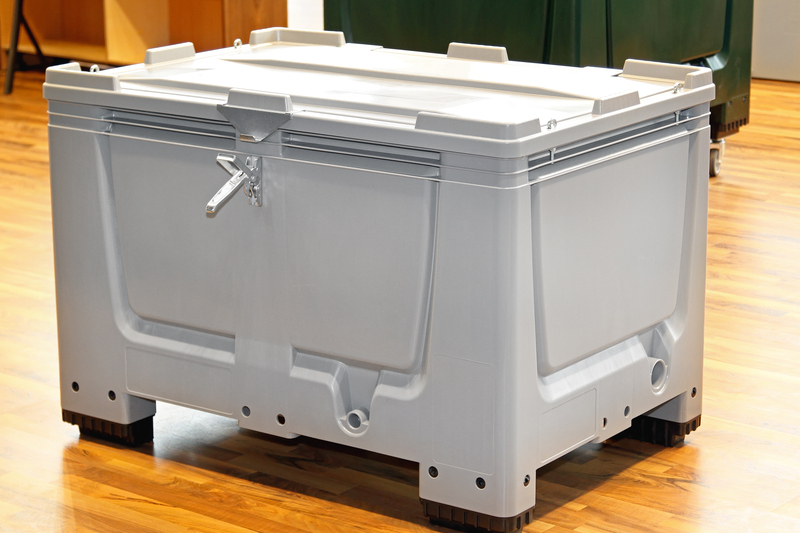
Proper Packing
The key to successful travels with books is proper packing. It's essential to protect your books from any damage during transit. Here are some tips to ensure your books reach their destination in good condition:
1. Start by selecting a sturdy box or suitcase that can accommodate the size and weight of your books.
2. Before placing your books in the box, wrap them individually in bubble wrap or tissue paper to prevent any scratches or damage.
3. Pack heavier books at the bottom and lighter ones on top to prevent shifting during travel.
4. Fill any remaining space with clothing or soft items to provide additional cushioning.
5. Seal the box securely with tape to avoid any accidental openings.
Shipping Options
If you're traveling long distances or have a large collection of books, shipping might be a better option than carrying them yourself. Here are some shipping options you can consider:
1. USPS Media Mail: This is an affordable option for shipping books within the US as long as they contain only educational materials such as textbooks, maps, and novels.
2. FedEx/UPS Ground: These options are best for international shipments and offer tracking services for added peace of mind.
3. Specialty Book Shippers: There are companies that specialize in shipping books such as Books Worldwide and BookMasters.
Before shipping your books, make sure to research the different options available and compare prices to find the best deal for your needs.
Storing Books
If you're planning to be away for an extended period, proper storage is crucial to keep your books safe and in good condition. Here are some tips for storing your books while traveling:
1. Choose a cool, dry place to store your books. Avoid areas with high humidity or direct sunlight.
2. If possible, store them upright on shelves to prevent any bending or damage to the spines.
3. Use acid-free paper or archival-quality boxes to store your books.
4. Consider investing in a bookshelf-style suitcase for easy transportation and storage of multiple books.
It's also a good idea to regularly check on your stored books and make sure they're not exposed to any potential hazards.

Pros and Cons
As with any travel-related decision, there are pros and cons to bringing books along on your journey:
Pros:
- Having physical books allows you to disconnect from technology and immerse yourself in reading.
- It's easier to lend or share books with fellow travelers or locals you meet.
- You can save money by not having to purchase new books while traveling.
Cons:
- Books add extra weight and take up space in your luggage.
- They can get damaged during travel if not packed properly.
- In the case of lost or delayed luggage, you may lose all your books.
Tips for Traveling with Books
- Consider packing e-readers or tablets instead of physical books for lighter luggage.
- Utilize digital library services that allow you to borrow e-books for free with a library card from anywhere in the world.
- Bring only a few essential books and swap them out with others along the way through book exchanges or second-hand bookstores.
Takeaways
Books are precious possessions that deserve extra care when it comes to traveling. Proper packing, shipping, and storing can ensure their safety and longevity. However, it's also important to consider the practicality and weight of bringing books along, especially for long-term travel.
Conclusion
In conclusion, traveling with books can be a rewarding experience for book lovers and provide a sense of comfort in a new place. By following these best practices for packing, shipping, and storing, you can ensure your books are protected on your travels. Remember to also consider the pros and cons and take advantage of modern technology to lighten your load. Happy travels and happy reading!
Latest Posts
Cheapest Places to Rent in London
Antiques Moving Checklist: Essential Steps