Antiques Moving Checklist: Essential Steps
Posted on 18/10/2025
Antiques Moving Checklist: Essential Steps
Relocating your cherished antiques can be a daunting task fraught with worry and stress. To ensure that these priceless items are relocated safely and securely, a systematic approach is crucial. This comprehensive guide will outline everything you need to know when it comes to moving antiques, providing a practical checklist that will guide you through every step of the process.
Pre-Planning Your Antique Move
Successful moves start with careful planning. Begin by taking a comprehensive inventory of all your antique items. Document their conditions with photographs and detailed notes. This will serve not just as a reference during the move, but also as evidence in case of damage.
Next, consider scheduling your move during a time of year when the weather is milder. Extreme temperatures can be detrimental to antique pieces, especially those made of wood or other sensitive materials. Check the long-term forecast and try to avoid moving during extreme weather conditions.
Gathering Packing Supplies
Having the right packing supplies is essential for the safe transport of antiques. Here's a list of recommended materials:
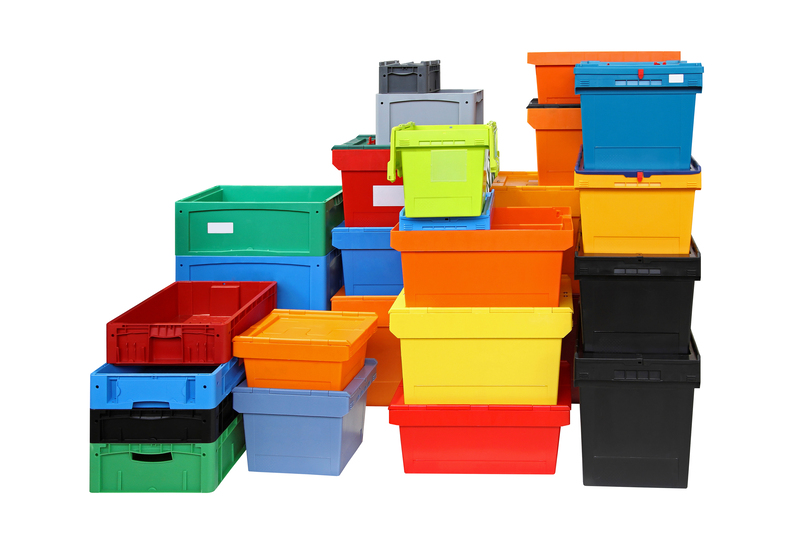
- High-quality moving boxes of various sizes
- Bubble wrap and packing paper
- Specialty boxes or crates for larger items
- Furniture blankets and moving pads
- Strong packing tape and labels
- Stretch wrap for additional protection
If you have particularly valuable or delicate items, consider consulting with a professional packing service. They can provide custom crates and specialized materials to ensure maximum protection.
Proper Packing Techniques
Improper packing is one of the main causes of damage during a move. Therefore, it's essential to pack your antiques most appropriately:
- Disassemble When Possible: If your antique furniture can be safely disassembled, do so. Keep all screws and small parts in labeled bags.
- Wrap Each Item Individually: Use bubble wrap and packing paper to cover every inch of your antique items. Pay extra attention to corners and edges.
- Use Sturdy Boxes: Choose boxes that are strong enough to hold the weight of your antiques. Reinforce corners and seams with packing tape.
- Properly Label Each Box: Mark each box clearly with "FRAGILE" and what item is inside. This will help ensure careful handling.
- Secure Items in Boxes: Use extra packing paper or bubble wrap to fill any empty spaces within boxes. This will prevent items from shifting during transit.

Moving Day Considerations
On the day of the move, careful handling is crucial. Here are some tips to help you through the process:
- Load Antiques Last: Place your antiques on the moving truck last to ensure they are the first items unloaded at your new location.
- Maintain a Clear Pathway: Ensure that the pathways are clear of obstacles to avoid any accidents while carrying heavy or delicate items.
- Supervise the Process: If you are using movers, supervision is key. Ensure they are aware of the value and fragility of the items they are handling.
- Climate Control: If possible, use a climate-controlled truck to transport your antiques, especially during extreme weather conditions.
Unpacking and Setting Up
The journey doesn't end when the moving truck arrives at your new home. Special care is also needed when unpacking and setting up:
First, inspect each item for damage. Use the photographs and notes you took during the inventory stage to make comparisons. If any damage has occurred, document it immediately and contact your moving company to file a claim.
When arranging your antiques in your new home, pay attention to environmental factors such as light and humidity. Avoid placing antique furniture near windows or in direct sunlight, and consider using a dehumidifier in particularly humid climates.
Post-Move Care and Maintenance
After your antiques are successfully moved and set up in their new location, ongoing care and maintenance are necessary. Regular dusting with a soft, dry cloth can prevent the buildup of dirt and grime. For more intensive cleaning, consult a professional to avoid potentially harmful techniques or products.
Monitoring humidity levels is also crucial. Wood and other materials can warp or crack if exposed to too much or too little humidity. Aim to maintain a stable environment to ensure the longevity of your antique pieces.
Final Thoughts
Moving antiques is not an easy task, but careful planning and execution can help you transport them safely and securely. From pre-planning to post-move care, every step is essential in preserving the integrity and value of your cherished items. By following this comprehensive checklist, you can ensure your antiques arrive at your new home in the same condition they left your old one.
In sum, remember to take your time and approach the task with the reverence these valuable items deserve. Happy moving!
Latest Posts
Cheapest Places to Rent in London
Antiques Moving Checklist: Essential Steps