Securing a school for your child in a new area
Posted on 11/05/2024
can be a daunting task for any parent. Moving to a new location often means navigating unfamiliar school systems, researching different academic options, and ensuring that your child's education is in good hands. With so many factors to consider, it's crucial to approach the process with careful planning and deliberate decision-making. In this article, we will explore the steps you can take to find a suitable school for your child in a new area, along with the pros and cons of different schooling options.
Before looking into specific schools, it's important to research the neighborhood where you'll be living. This will give you an idea of the general demographics, crime rates, and community amenities. It's also helpful to look at local publications or community websites for information on schools in the area.
Every child has unique learning needs and preferences. It's essential to consider these when choosing a school for your child. If your child has special needs or requires a specific type of learning environment, make sure to research schools that can accommodate these needs.
Additionally, think about your child's personality and interests. Look for schools that offer extracurricular activities or programs that align with their interests. This will help ensure that your child is engaged and motivated in their new school.
Once you have identified potential schools in the area, schedule visits to get a feel for each one. Take note of the school's facilities, class size, teaching styles, and overall atmosphere. This will give you a better understanding of which school could be the best fit for your child.
While visiting the schools, don't be afraid to ask questions about their curriculum, policies, and extracurricular offerings. It's also beneficial to talk to other parents and get their opinions on their children's experiences at the school.
In addition to traditional public schools, there are various other schooling options to consider. These include private schools, charter schools, and homeschooling. Each option has its own advantages and disadvantages, so it's essential to weigh them carefully before making a decision.
Private schools often have smaller class sizes and more resources for students, but they can also be costly. Charter schools offer a specialized curriculum but may have limited enrollment opportunities. Homeschooling allows for individualized instruction but requires a significant commitment from parents.
- Traditional Public Schools: Pros - free education, diverse student body, established curriculum; Cons - larger class sizes, limited school choices depending on location.
- Private Schools: Pros - smaller class sizes, specialized curriculum and resources; Cons - high tuition costs, limited financial aid options.
- Charter Schools: Pros - unique curriculum options, smaller class sizes; Cons - limited enrollment opportunities, potential lack of diversity.
- Homeschooling: Pros - individualized instruction, flexibility in curriculum; Cons - requires a lot of time and effort from parents, potential social isolation for children.
1. Start the search early to allow for ample time to research and visit different schools.
2. Consider your child's individual needs and interests when evaluating schools.
3. Look into the school's academic track record and reputation within the community.
4. Don't be afraid to ask questions and talk to other parents about their experiences.
5. Consider the overall atmosphere and culture of the school and whether it aligns with your values.
Choosing a school for your child in a new area is a critical decision that requires careful consideration. It's essential to research the neighborhood, consider your child's needs, visit potential schools, and evaluate different schooling options. By doing so, you can find the best fit for your child and ensure that they receive a quality education in their new environment.
Securing a suitable school for your child in a new area may seem overwhelming, but with proper research and planning, you can make an informed decision. Consider your child's needs, visit potential schools, and weigh the pros and cons of different schooling options to find the best fit for your family. Remember that choosing the right school is an investment in your child's future, and with the right amount of effort and consideration, you can provide them with a solid foundation for their academic journey.
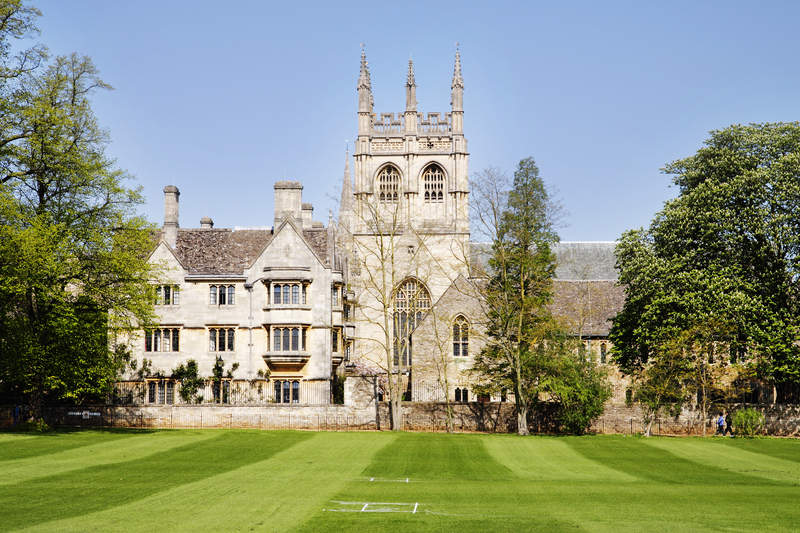
Research the Neighborhood
Before looking into specific schools, it's important to research the neighborhood where you'll be living. This will give you an idea of the general demographics, crime rates, and community amenities. It's also helpful to look at local publications or community websites for information on schools in the area.
Consider Your Child's Needs
Every child has unique learning needs and preferences. It's essential to consider these when choosing a school for your child. If your child has special needs or requires a specific type of learning environment, make sure to research schools that can accommodate these needs.
Additionally, think about your child's personality and interests. Look for schools that offer extracurricular activities or programs that align with their interests. This will help ensure that your child is engaged and motivated in their new school.
Visit Potential Schools
Once you have identified potential schools in the area, schedule visits to get a feel for each one. Take note of the school's facilities, class size, teaching styles, and overall atmosphere. This will give you a better understanding of which school could be the best fit for your child.
While visiting the schools, don't be afraid to ask questions about their curriculum, policies, and extracurricular offerings. It's also beneficial to talk to other parents and get their opinions on their children's experiences at the school.

Consider Different Schooling Options
In addition to traditional public schools, there are various other schooling options to consider. These include private schools, charter schools, and homeschooling. Each option has its own advantages and disadvantages, so it's essential to weigh them carefully before making a decision.
Private schools often have smaller class sizes and more resources for students, but they can also be costly. Charter schools offer a specialized curriculum but may have limited enrollment opportunities. Homeschooling allows for individualized instruction but requires a significant commitment from parents.
Pros and Cons of Schooling Options
- Traditional Public Schools: Pros - free education, diverse student body, established curriculum; Cons - larger class sizes, limited school choices depending on location.
- Private Schools: Pros - smaller class sizes, specialized curriculum and resources; Cons - high tuition costs, limited financial aid options.
- Charter Schools: Pros - unique curriculum options, smaller class sizes; Cons - limited enrollment opportunities, potential lack of diversity.
- Homeschooling: Pros - individualized instruction, flexibility in curriculum; Cons - requires a lot of time and effort from parents, potential social isolation for children.
Tips for Choosing the Right School
1. Start the search early to allow for ample time to research and visit different schools.
2. Consider your child's individual needs and interests when evaluating schools.
3. Look into the school's academic track record and reputation within the community.
4. Don't be afraid to ask questions and talk to other parents about their experiences.
5. Consider the overall atmosphere and culture of the school and whether it aligns with your values.
Takeaways
Choosing a school for your child in a new area is a critical decision that requires careful consideration. It's essential to research the neighborhood, consider your child's needs, visit potential schools, and evaluate different schooling options. By doing so, you can find the best fit for your child and ensure that they receive a quality education in their new environment.
Conclusion
Securing a suitable school for your child in a new area may seem overwhelming, but with proper research and planning, you can make an informed decision. Consider your child's needs, visit potential schools, and weigh the pros and cons of different schooling options to find the best fit for your family. Remember that choosing the right school is an investment in your child's future, and with the right amount of effort and consideration, you can provide them with a solid foundation for their academic journey.
Latest Posts
Cheapest Places to Rent in London
Antiques Moving Checklist: Essential Steps